 Simulations With You
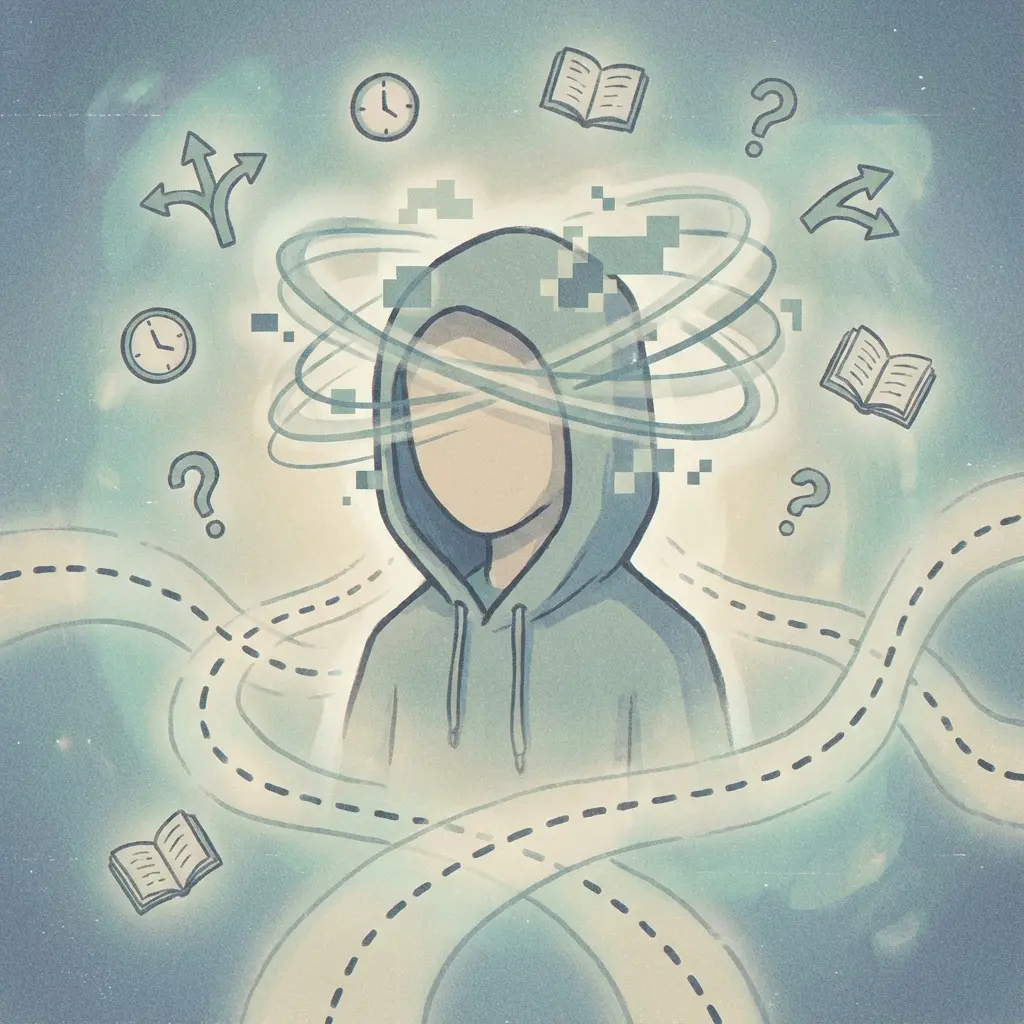
I was standing in the cereal aisle at 6:30 PM on a Tuesday. It's a place I've visited hundreds of times over the years, a familiar stop on my weekly grocery run. But yesterday, something felt different. The aisle felt like a labyrinth, and I was lost in it.
I needed one box of cereal. Just one. A simple task that should take thirty seconds, maybe a minute if I'm reading labels. But in front of me stood a towering, overwhelming wall of options: whole grain, sugary, fruity, chocolatey, low-carb, high-protein, organic, gluten-free, keto-friendly, limited edition seasonal flavors. Boxes with cartoon characters. Boxes promising health benefits. Boxes screaming "NEW!" in bold letters.
I picked up one box, turned it around, read the nutritional information on the back. Sugar content: too high. Put it down. Picked up another one. This one had less sugar but weird ingredients I couldn't pronounce. Put it down. Grabbed a third box. Good ingredients, but expensive. Is it worth the extra money? Maybe I should get the cheaper one? But what if the cheap one isn't as good?
Five minutes passed. Then ten. A person squeezed past me with their cart, clearly knowing exactly what they wanted. I felt stuck.
I wasn't just looking for breakfast anymore; I was caught in an exhausting trap of endless comparison. My brain wasn't simply asking, "What do I want?" It was demanding answers to impossible questions: "Which one is the absolute *best* one? Which one will I regret the least? Which one represents the smartest, healthiest, most economical choice?" And because there were fifty options staring back at me, answering that question felt genuinely impossible. My mind was spinning. Over cereal.
The Paradox of Too Many Choices
We live in a world that constantly sells us the idea that more choice equals more freedom, more power, more control over our lives. We have streaming services with ten thousand movies and shows. Dating apps with seemingly endless profiles to swipe through. Grocery stores with fifty different types of cereal, twenty brands of peanut butter, forty varieties of yogurt. Every product promises to be the answer, the perfect fit, the one that will make us happier.
But standing there in that cereal aisle, I didn't feel free at all. I felt paralyzed. Stuck. Overwhelmed by the weight of a decision that shouldn't matter this much.
Later that evening, I sat down and started thinking about my entire day. Every single small choice I'd made from the moment I woke up: what to wear (should I dress up or dress casual?), what to have for breakfast (oatmeal or toast?), which route to take to work (highway or side streets?), what to eat for lunch (salad or sandwich?), how to reply to that work email (casual or formal tone?), what podcast to listen to during my afternoon break (educational or entertaining?). By the time I reached that cereal aisle at 6:30 PM, my brain was already exhausted from a thousand tiny decisions.
Each choice, no matter how small, chips away at our mental energy. When we have too many options laid out in front of us, even the simplest decisions start to feel impossibly heavy. We worry about making the wrong choice. We fear missing out on something better. We second-guess ourselves. And by the end of the day, we're drained—not from doing difficult work, but from choosing.
And it's not just grocery shopping. That same evening, I counted the number of apps on my phone: 47. Forty-seven different apps, each one demanding decisions. Which music app should I open? Which social media platform should I check? Which news app has the best articles today? Which messaging app should I use to contact this particular person?
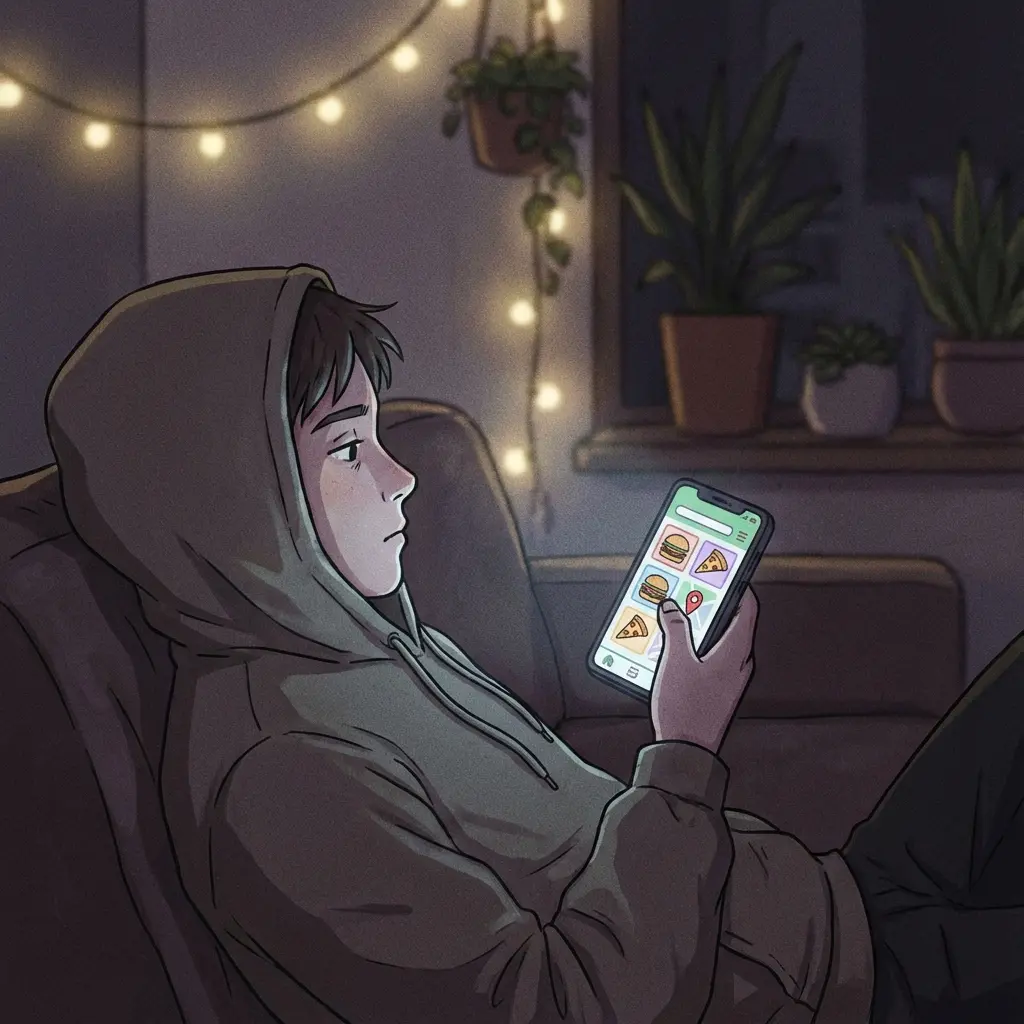
Every icon on that screen represents another decision point, another moment where my brain has to evaluate options and pick one. Multiply that by every device, every service, every moment of the day, and it's no wonder we feel exhausted by dinnertime.
The Freedom of Less
Eventually, standing there in the grocery store, I walked away from the cereal wall entirely. I went to the produce section and bought a bag of fresh apples and a plain container of rolled oats—the kind with no flavors, no varieties, just oats. There was only one option. The relief I felt was immediate and profound. I didn't have to compare anything. I didn't have to evaluate. I didn't have to wonder if I was making the "right" choice. I just picked it up and put it in my cart. Done. Simple. Easy.
Why We Crave Simplicity
I think this is why, when we're tired and overwhelmed, we're instinctively drawn to simple, uncomplicated experiences. A walk in the woods has no menu to browse through. You don't have to choose which tree to look at or which bird to listen to. You just step outside and experience it. Rain falling on a window doesn't ask you to make a decision about what kind of rain you prefer. It just falls, and you just watch. A blank page doesn't demand you fill it perfectly. You can just draw a line, any line, and that's enough.
These simple moments feel like rest because they are rest—rest from the constant mental work of evaluating, comparing, and choosing. They give our decision-making muscles a break.
When the world feels loud and overwhelming, full of endless "this or that" decisions stacking up one after another, sometimes the most powerful thing we can do for ourselves is to intentionally limit our options. To choose the simple thing without overthinking it. To engage in an activity where there is no "best" outcome to chase, no perfect choice to find—just the quiet, peaceful act of doing something for its own sake.
It's about finding spaces in your day where you genuinely can't get it wrong. Where every choice is equally valid because the point isn't optimization—it's simply being present.
🎨 A Space of Simple Choices
I created a simple digital coloring space to practice this feeling of peaceful simplicity. There are no levels to beat, no scores to chase, no wrong colors to pick, no rules to follow. Just beautiful mandala patterns to fill with color, one section at a time, at your own pace. No decisions to agonize over—just the calm, meditative act of adding color to shapes. It's a small break from the endless menu of choices. A moment where you can't possibly get it wrong.
Open Mandala Coloring 🎨The next morning, I had my plain oatmeal with sliced apples for breakfast. No decisions, no comparisons, no mental gymnastics. Just oats and fruit. And you know what? It was delicious. Not because it was objectively the "best" breakfast I could have chosen, but because I didn't have to choose it from fifty options. It was simple, and that simplicity felt like relief.
Next time you feel that familiar weight settling in your chest while staring at an overwhelming dinner menu, a Netflix queue with ten thousand options, or a wall of cereal boxes, remember: You don't always have to optimize every single decision. You don't have to find the absolute perfect choice every time. Sometimes, good enough is actually perfect.
Sometimes, the plain oatmeal—the simple, uncomplicated, ordinary choice—is exactly what you need. Not because it's objectively the best option in the world, but because it's simple enough to let your tired brain rest. And rest, in a world that never stops asking you to choose, might be the most valuable thing of all.