 Simulations With You
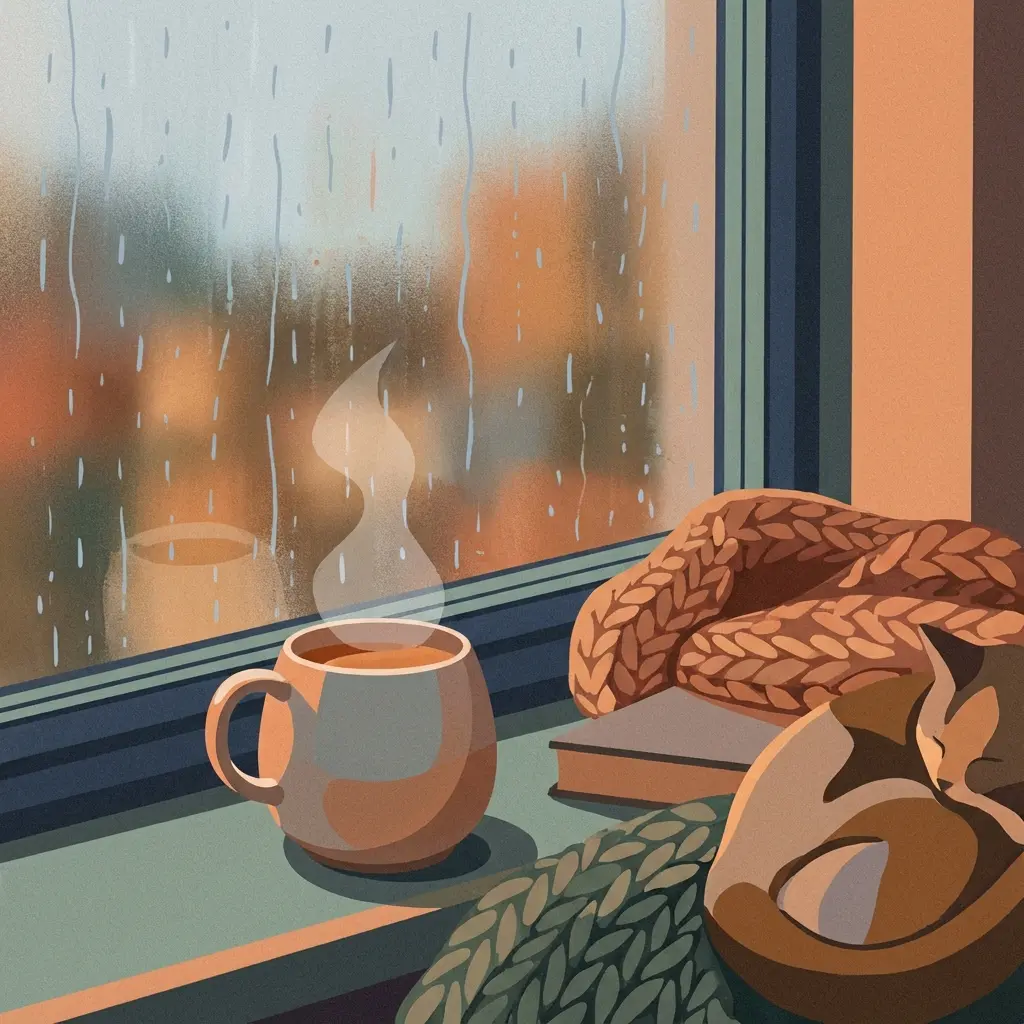
It was a rainy day. Gentle raindrops tapped against the window as I sat with a warm cup of tea in my hands. On days like this, something inside me settles down. I just want to gaze out the window and let time pass without thinking about anything.
In the past, I would have felt anxious the moment these feelings arose. "Why am I so lethargic?" "Shouldn't I be doing something more productive?" I would question myself endlessly, forcing myself to shake off this sunken mood. I'd play upbeat music, scroll through social media looking for funny videos. But the more I tried, the further away my heart seemed to drift.
The Weight of Brightness
We often categorize joy and brightness as positive, while sadness and stillness are seen as negative. People around us constantly say things like, "Think positive," "Cheer up," "Smile and good things will come." Of course, these words aren't wrong. People with bright, positive attitudes do manage to endure through difficult situations. They don't lose hope and find the strength to rise again.
But at some point, these words started to feel like a burden. As if I had to be bright and energetic all the time, as if feeling sad or tired was somehow wrong. Especially when I tried to share my struggles with someone and heard advice like "But try to find the silver lining," I no longer wanted to share my feelings. It felt like my sadness and sense of helplessness weren't being acknowledged.
While being forced to be bright, I was slowly drifting further away from my real emotions.
When Sadness Comes Knocking
It was an autumn evening. After a hectic day, I came home and sat on the couch. Suddenly, tears came for no reason. Nothing particular had happened. I just felt this emptiness in my heart, as if weighed down by something invisible.
In the past, I would have rushed to shake off this feeling. I would have watched a cheerful movie, called a friend to make plans, or tried to fill this void with something—anything. But that day was different. I just sat there and let the tears flow.
At first, it felt awkward. "Why am I crying?" "Is it okay to waste time like this?" All sorts of thoughts swirled in my mind. But gradually, I began to simply feel that emotion. I looked slowly at what the sadness was, why I felt this way right now.
Then something remarkable happened. When I didn't try to stop the tears and just let them flow, my heart gradually felt lighter. It was as if the sadness revealed itself within me, and only after being acknowledged, it quietly retreated. In that moment, I realized something. All those times I forced myself to act bright and covered things up—they had actually been making me more exhausted.
Giving Emotions Space

After that, I began to change little by little. When I felt sad or lethargic, I no longer denied those feelings. Instead, I asked myself, "Why do I feel this way right now?" "What do I really need?"
Some days, I just wanted to sit by the window on a rainy day and listen to the sound of rain. Not doing anything, not thinking about anything, just staying in that moment. In the past, I would have criticized myself for "wasting time." But now I knew that time was the rest I needed.
Other days, while listening to an old song, a memory from the past would suddenly surface and make my nose tingle. I didn't ignore that emotion; I just let myself feel it. Wistfulness, longing, a touch of sadness. All these emotions were part of me, and feeling them wasn't wrong at all.
Sometimes, even at gatherings with friends, I started to honestly say, "I've been feeling drained lately." Some would say "Hang in there," but others would quietly listen to my story. And in those moments, I felt truly understood.
Not Painting Over Sadness
The truth is, when we feel sad, we keep trying to paint over it with something. We try to cover sadness with bright thoughts, positive words, and busy schedules. Like simply covering a crack in the wall with paint.
But if you keep painting over it, eventually the crack grows larger and collapses. If you ignore sadness and force yourself to smile through life, at some point you can't endure anymore. When that time comes, all the emotions that have been building up pour out at once.
I experienced that. For several years, I lived comforting myself with "I'm fine" and "It's nothing." But one day, over something truly trivial, everything crumbled. All the sadness, frustration, and loneliness I had been pressing down burst out all at once. That's when I realized. What I really needed wasn't to force myself to live brightly, but to honestly face my emotions.
The Comfort of Lethargy
These days, I think it's okay when lethargic days come around. Not every day needs to be productive and energetic. Some days, it's fine to just lie in bed staring at the ceiling and let time pass. Doing nothing is sometimes necessary too.
In fact, there's a certain comfort within lethargy and stillness. When I'm not doing anything and just staying still, I hear the voice within me. The whisper of my heart that I couldn't hear because I was too busy. "You can rest," "It's okay to go slowly," "Every emotion you feel is natural."
Listening to the Rain
Listening to the rain is like that too. In the stillness of a rainy day, I actually feel at peace. In that moment when the world seems to pause, my heart can also stop and rest. And because of that pause, I gain the strength to move forward again.
Practicing Understanding Sadness
Now, whenever sadness comes, I ask myself, "Why do I feel this way right now?" I don't simply dismiss it as feeling bad; I look for the reason hidden behind it.
Some days, it might be exhaustion from taking on too many things at once. Other days, it might be someone's single comment that stuck deeper in my heart than I thought. Or it might just be the natural flow of emotions as seasons change and weather shifts.
When I try to understand my sadness this way, it no longer feels scary. Instead, that emotion feels like a signal trying to tell me something. "You need to rest right now," "Think about this relationship once more," "Take better care of your heart."
And when I recognize that signal, I'm able to cherish and care for myself a little more.
All Emotions Are Natural
The truth is, there are no good or bad emotions. Joy, sadness, anger, peace—they're all part of our lives. Feeling all these emotions is proof that we're alive.
For a flower to bloom, the seed must spend a long time in the dark soil. Without that dark time, the flower cannot blossom. Our emotions are the same way. Because there is sadness, we can feel joy more deeply. Because there is stillness, vibrant moments shine brighter.
So now I welcome all the emotions within me. When joy comes, I fully embrace it, and when sadness comes, I accept that too. When lethargy arrives, I just rest, and when peace comes, I enjoy that moment.
My Emotional Journal
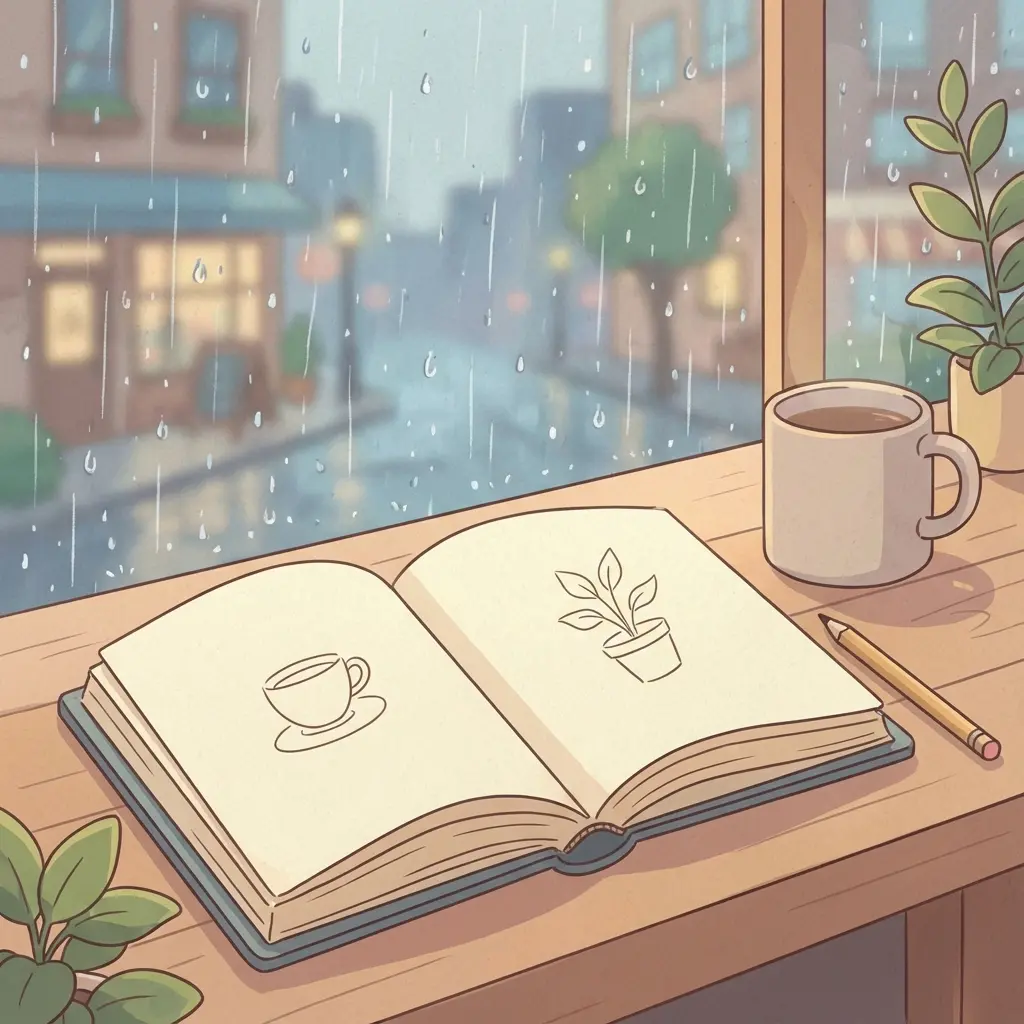
Recently, I got myself a small notebook. It's nothing special—just a space to briefly jot down emotions I felt during the day. "I felt down from the morning today. Probably because I didn't sleep well last night." Simple notes like that.
Writing down emotions this way helps me see the patterns in how I feel. What situations make me sad, what exhausts me, and conversely, what makes me comfortable. Knowing these things helps me take better care of myself.
And when I read that notebook again months later, I feel that those emotions have become much lighter. "Oh, I was struggling so much back then. But I got through it well." Thinking this makes me feel proud of myself.
Respecting Others' Sadness Too
As I practiced accepting my own emotions, I began to see other people's emotions differently. When I see someone struggling, I no longer immediately say "Cheer up" like I used to. Instead, I try to listen to their story and acknowledge their feelings.
"That must have been really hard," "I would have felt the same in that situation." I learned that words like these offer much more comfort than "Think positive." Just accepting someone's emotions as they are makes them feel understood.
And when that understanding accumulates, relationships deepen. Not just seeing each other's bright sides, but being able to share sad and tired moments too. I think those kinds of relationships are truly precious.
Try This: Emotional Rain Check
Next time you see rain or feel a bit lethargic, try this small experiment:
- Pause. Stop whatever you are forcing yourself to do for just 5 minutes.
- Listen. close your eyes and listen to the rain, or just the silence of the room.
- Ask. "What am I feeling right now?" Don't judge the answer. If it's "tired," that's okay. If it's "sad," that's okay.
- Accept. Say to yourself, "It's natural to feel this way." Let the feeling wash over you like rain, and watch it eventually flow away.
Still Learning
All of this comes from my own experience. I'm still practicing accepting my emotions. Some days I do well, and other days I still try to push sadness away. But that's okay. I don't need to be perfect.
What matters is continuing to try. Gradually, slowly accepting the various emotions within me. And in that process, understanding myself more deeply.
The sound of rain outside the window continues. Now I know that this sound doesn't make my heart sink, but rather comforts it. Sadness, stillness, and sometimes even lethargy—they're all part of my life. And living while feeling all of that, isn't that what it truly means to be alive?
The tea in my hand has cooled. I should slowly get up and make a fresh cup. Today, too, I'll move forward bit by bit, together with my emotions.
✨ Find Calm in Simulations
Sometimes, a little digital peace is all we need. Explore our collection of relaxing simulations designed to help you pause and breathe.
Explore Simulations